Accessible portable restrooms are frequently ordered as a checkbox and placed as an afterthought. The result is an event that technically provided an accessible facility and functionally did not, because the only route to it crossed forty feet of grass.
This guide covers both halves: the equipment and the placement. Get either wrong and the unit does not serve the person who needs it.
What makes a unit accessible
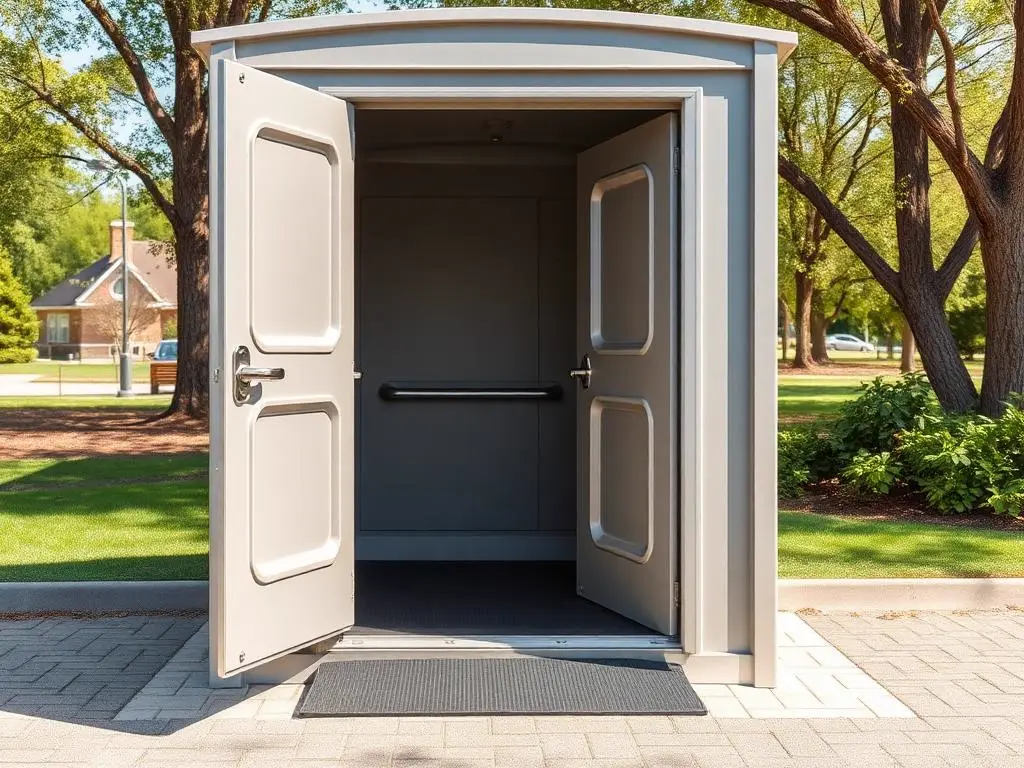
- Ground-level entry with no step and a minimal threshold
- A door opening wide enough for a standard wheelchair
- Interior clear floor space allowing a full turning radius
- Grab bars positioned to support transfer
- Hardware operable without tight grasping, pinching or twisting
- Room for a caregiver to assist inside the unit
How many accessible units to provide
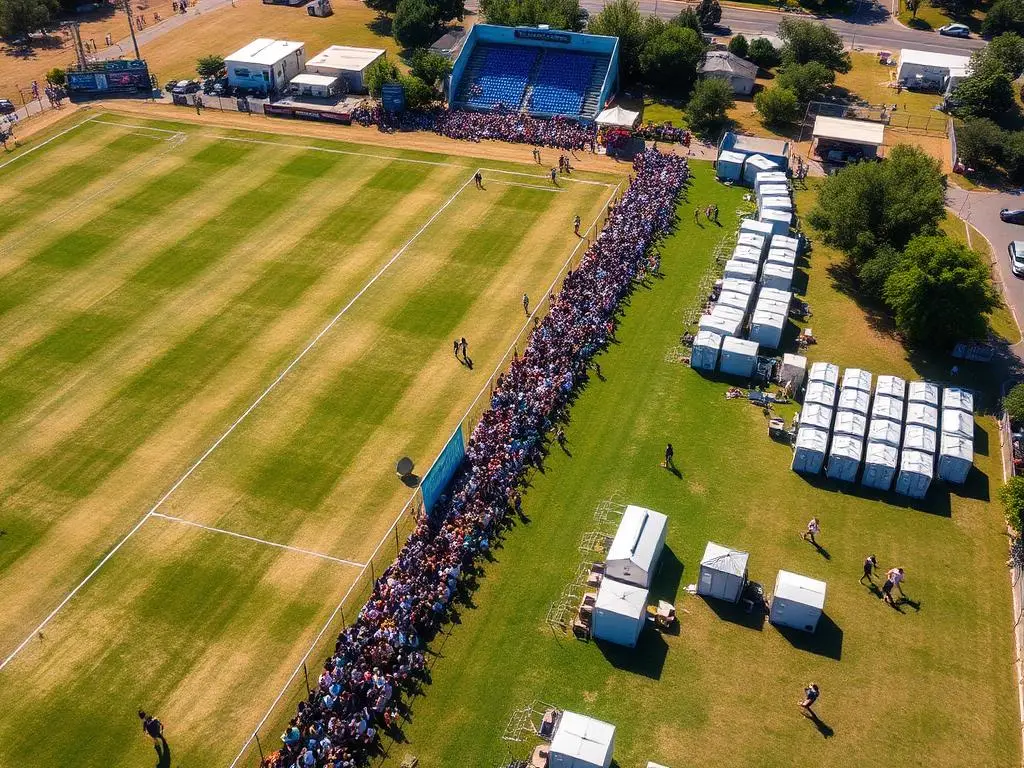
The common planning standard is a minimum of one accessible unit at any event providing restrooms, and roughly one accessible unit per twenty standard units at larger events.
Distribution matters as much as quantity. Two accessible units placed at opposite ends of a large site serve better than four grouped together, because the point is that nobody has to cross the entire grounds.
The approach is half the requirement
A wheelchair cannot cross soft turf, loose gravel, a curb or a steep grade. The unit must sit on a firm, level surface and be reachable by a firm, level route from the parking area or the main path.
In practice this usually means pavement, compacted gravel, or temporary matting laid from the nearest walkway. On grass-only sites, matting is not optional if you want the unit to function.
Where accessible units are expected
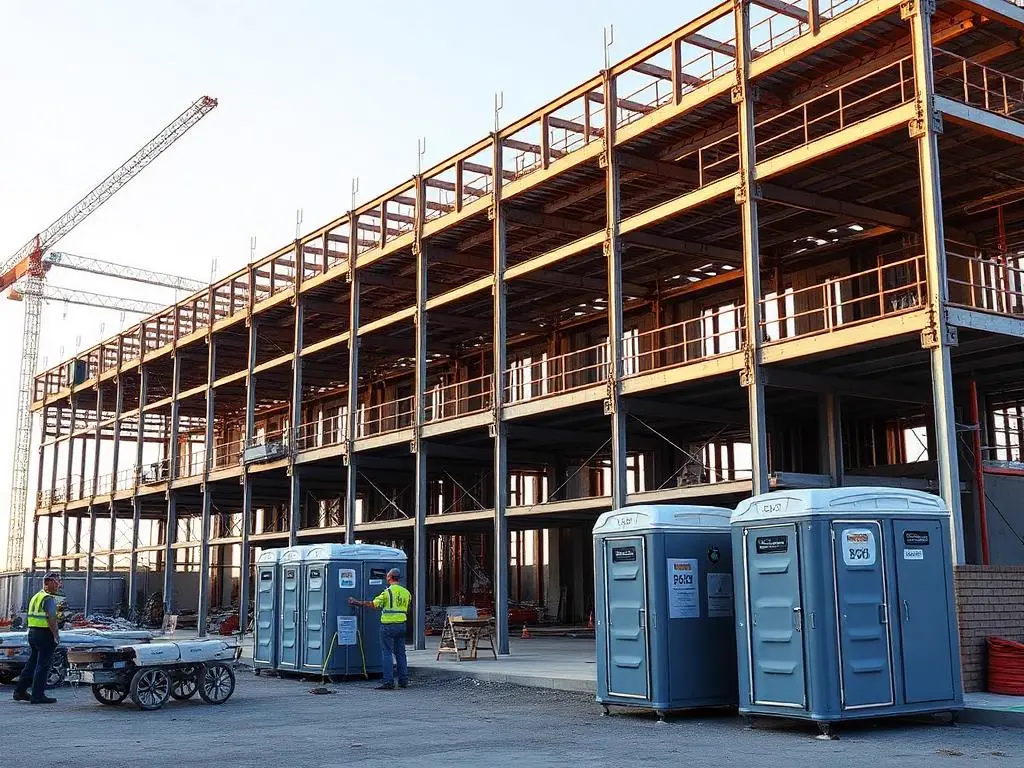
Public events, government-hosted functions, publicly funded construction sites and any venue operating as a place of public accommodation should plan on them. Private events are not held to the same standard, but if a guest uses a mobility aid, the considerate choice is obvious.
If your project's bid documents specify requirements, send us the language and we will match the order to it rather than guessing.
Who uses them
Wheelchair and scooter users, certainly. Also people using walkers or canes, guests recovering from surgery or injury, older attendees who rely on grab bars, parents managing a stroller with a small child, and caregivers assisting someone who cannot manage alone.
That is a much larger share of any crowd than most organizers assume, which is why accessible units at community events see steady, not occasional, use.
Common mistakes
- Placing on turfCorrect unit, unreachable location. Use pavement or matting.
- Grouping all accessible unitsDistribute them so no one crosses the whole site.
- Ordering too lateAccessible inventory is limited regionally and commits first.
- Blocking the approachVendor trailers, cables and barricades appear after placement — walk the route again before gates open.
- No signageGuests should not have to search. A simple sign at the main path solves it.
Need this handled instead of researched? Call (605) 699-0189 and we will size and schedule the order for you.