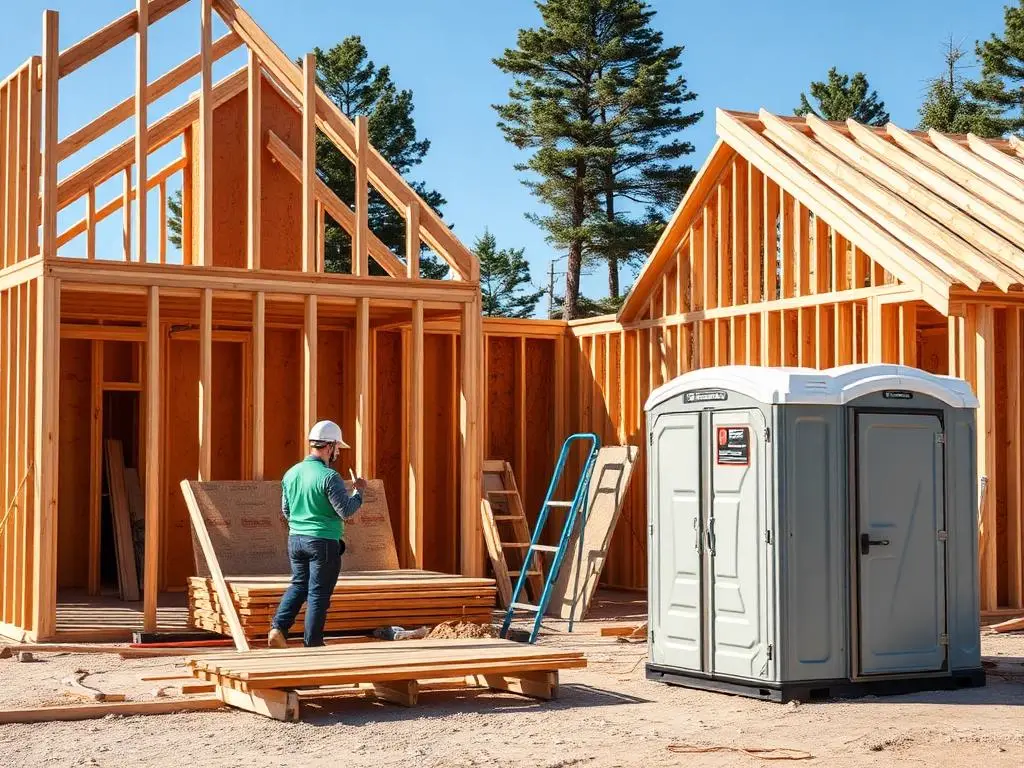
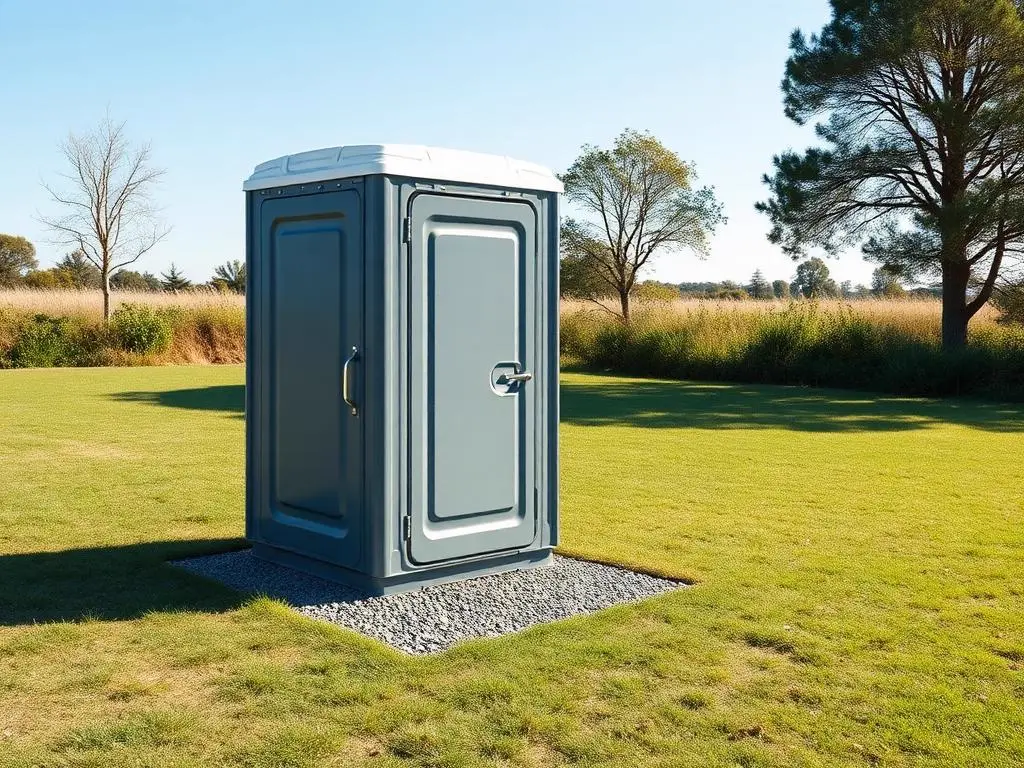
Time lost to restroom trips is real money on a construction schedule. A framing crew that has to leave a Harrisburg subdivision lot to find a bathroom burns fifteen to twenty minutes per trip, per person. Portable restrooms on site are the cheapest schedule protection a general contractor can buy, and the difference between a good sanitation vendor and a poor one shows up in whether the units are usable on a Wednesday afternoon in July.
We service jobsites across Harrisburg, Sioux Falls, Tea, Brandon and the surrounding communities on fixed routes. That routing matters: the same driver tends to work the same area each week, learns the site, knows where the gate code is posted, and notices when a unit needs to move before you have to call about it.
How many units your jobsite needs
Federal guidance for construction sanitation is built around workers per facility for a standard work week. The practical planning table most contractors use looks like this, with the caveat that hot weather, longer shifts and mixed trades push you toward the next tier.
| Crew size | Standard units | Notes |
|---|
| 1–9 workers | 1 unit | Weekly service is usually adequate |
| 10–19 workers | 2 units | Consider a handwashing station once concrete or drywall starts |
| 20–39 workers | 3–4 units | Twice-weekly service through summer |
| 40–59 workers | 5–6 units | Split placements across the site to cut walking time |
| 60+ workers | 1 per 10 workers | Add ADA and handwashing units for public-funded work |
Service that survives a South Dakota winter
Plenty of vendors handle June. January is where jobsite sanitation actually gets tested. We use winter tank treatment that stays effective at low temperatures, schedule service earlier in the day when possible, and place units where drifting snow and plow windrows will not seal the door shut.
Your part is simple: keep an approach path passable for the truck and let us know when site access changes after a storm. Sites that do that keep usable restrooms through the entire winter build.
Moving units as the site changes
A restroom placed for the excavation phase is in the wrong place once the foundation is poured, and wrong again when the driveway goes in. Repositioning is part of the job, not an upsell. Flag it during a service visit or call ahead and we will fold the move into the next scheduled stop.
On larger sites we recommend splitting units rather than clustering them. Two units at opposite ends of a long build save more crew time than three units grouped by the entrance.
What jobsite service visits cover
Each scheduled stop is documented so you know it happened.
- Waste pumped and the tank recharged with fresh deodorizer
- Interior walls, seat, urinal and floor washed and disinfected
- Toilet paper and hand sanitizer restocked, with extra left on high-use sites
- Door latch, vent, hinges and floor checked for damage
- Unit leveled if the ground has settled or been regraded
- Site contact notified of anything that needs your attention
Costs to plan into your project budget
Jobsite rentals bill on a recurring cycle, so the variables that matter are unit count, service frequency and duration rather than a one-time drop fee. Longer commitments carry a lower effective weekly rate. Additional service visits, extra stocking, and after-hours or emergency calls are quoted separately so nothing appears on the invoice you did not approve.
For bid purposes, ask us for a per-month figure at your expected peak crew size. It is easier to remove a unit later than to explain a sanitation overage to an owner.