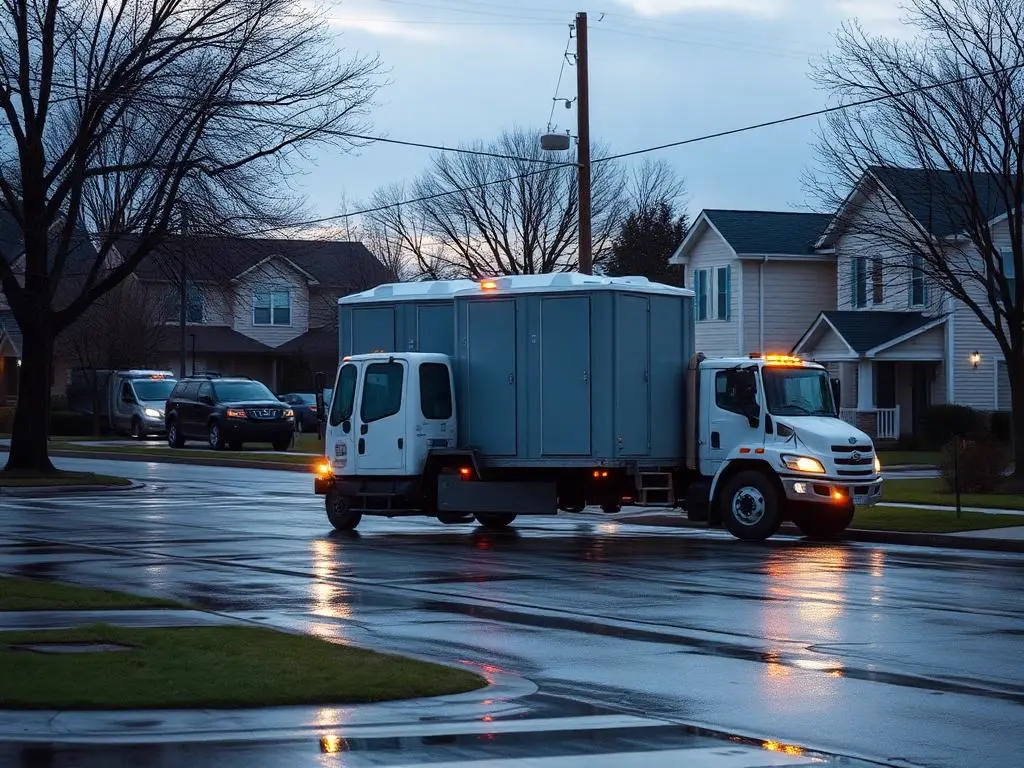
Emergency calls are not planning problems, they are operating problems. A restaurant with a failed sewer line cannot open. A shop with 14 employees and no working restroom cannot legally run a shift. A neighborhood on a broken main has families with nowhere to go. In those situations, speed and honesty matter more than anything else in the quote.
Our phone line is answered around the clock. When you call, we will tell you what we can actually do — not what sounds best. If a unit can be on site in three hours, we say three hours. If the realistic answer is early tomorrow morning, we say that too, so you can make decisions with real information.
Situations we respond to
Most emergency calls in the Harrisburg and Sioux Falls area fall into a handful of categories.
- Plumbing failuresSewer line breaks, backed-up mains and failed lift stations at commercial buildings.
- Septic problemsFailed drain fields and tank issues at rural homes and acreages.
- Water service outagesMain breaks and municipal work that leaves buildings without water.
- Storm and flood responseDamaged buildings, cleanup crews and staging areas after severe weather.
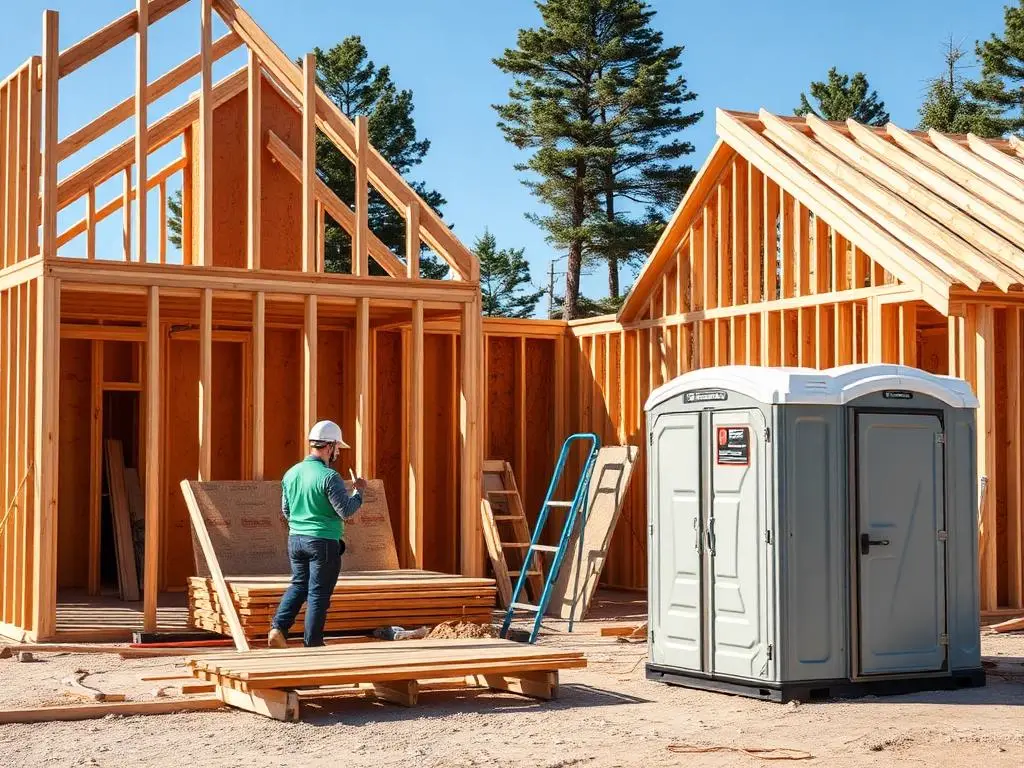
- Utility and repair projectsUnplanned excavations that take a building's facilities offline.
- Business continuityRestaurants, shops and offices that must keep operating during repairs.
What happens when you call
We keep the intake short because you have other calls to make.
- Tell us the address and the problemTwo sentences is enough — we mainly need to know how many people and how long.
- We check routing and inventoryYou get a realistic delivery window on the same call, not a callback later.
- We confirm placement over the phoneWhere the truck can park, where the unit goes, who to contact on arrival.
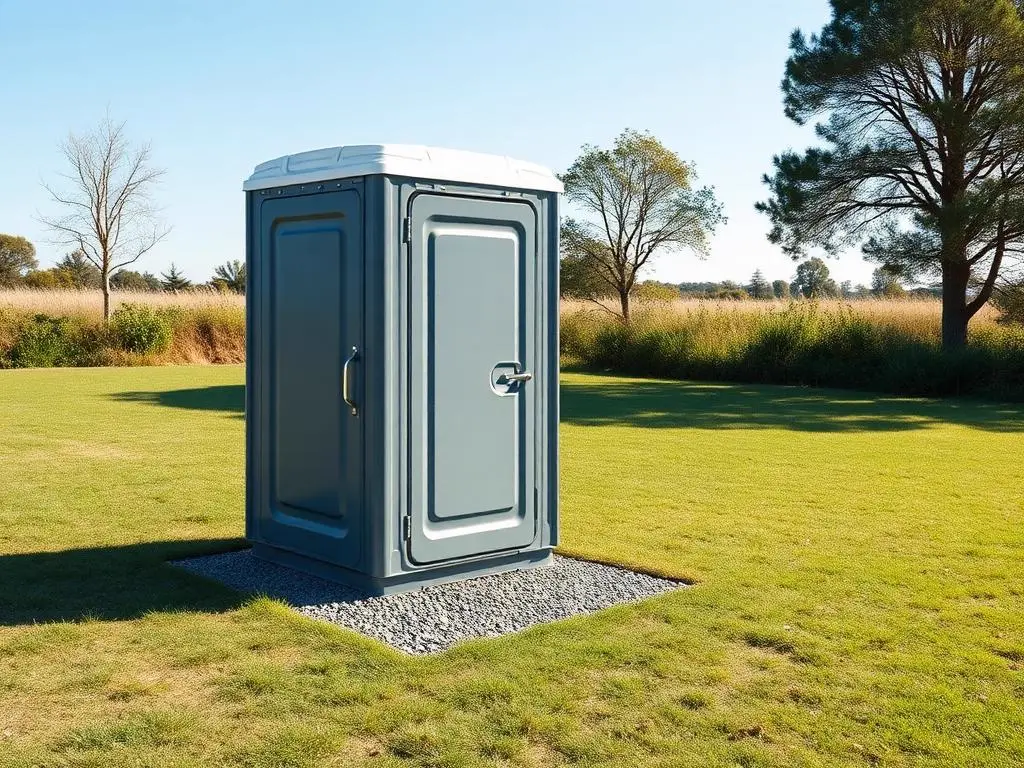
- Units are delivered and setStocked and ready to use immediately, with sanitizer and paper.
- We schedule service for the durationRepairs take longer than expected. We plan service so the units stay usable.
Sizing an emergency order
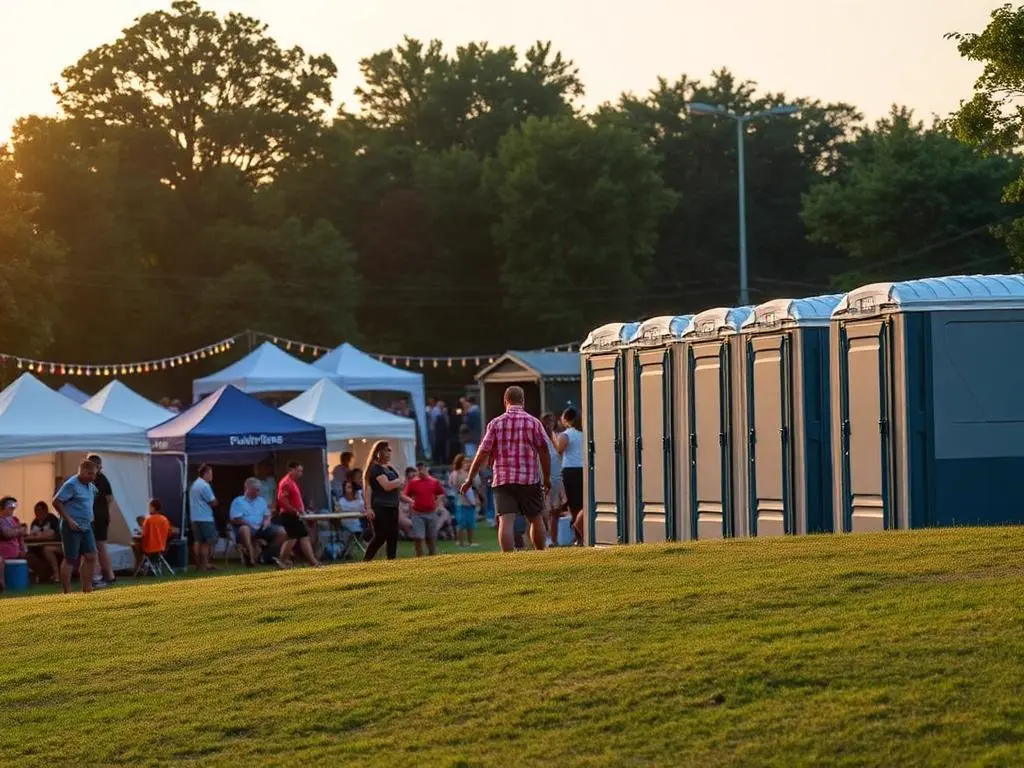
The instinct in an emergency is to under-order and add later. That usually costs more than getting it right the first time, because the second delivery is another trip. For a business, plan one unit per ten to fifteen employees on shift, plus one accessible unit if the public is on site. For a residence, one unit is nearly always enough. For a neighborhood or cleanup staging area, tell us the headcount and we will size it.
If the repair timeline is uncertain, start with a weekly service schedule rather than a single drop. Extending is easy; discovering on day nine that nobody scheduled service is not.
Cost during an emergency
Emergency deliveries carry a premium over scheduled ones because they interrupt routing, and after-hours calls cost more than daytime ones. We quote the number before we roll, so there is never a surprise on the invoice.
Once the initial delivery is complete, the rental converts to standard weekly pricing for however long the repair takes. Insurance claims and business interruption coverage often reimburse this, so keep the invoice.
Businesses that keep our number on file
Restaurants, dental and medical offices, auto shops, manufacturing facilities, churches, schools and property managers around Harrisburg, Sioux Falls and Brandon keep a contact on file because the cost of a two-hour delay in finding a vendor exceeds anything on our price list. If you manage a facility, call us now and we will note your site so the next call takes ninety seconds instead of ten minutes.