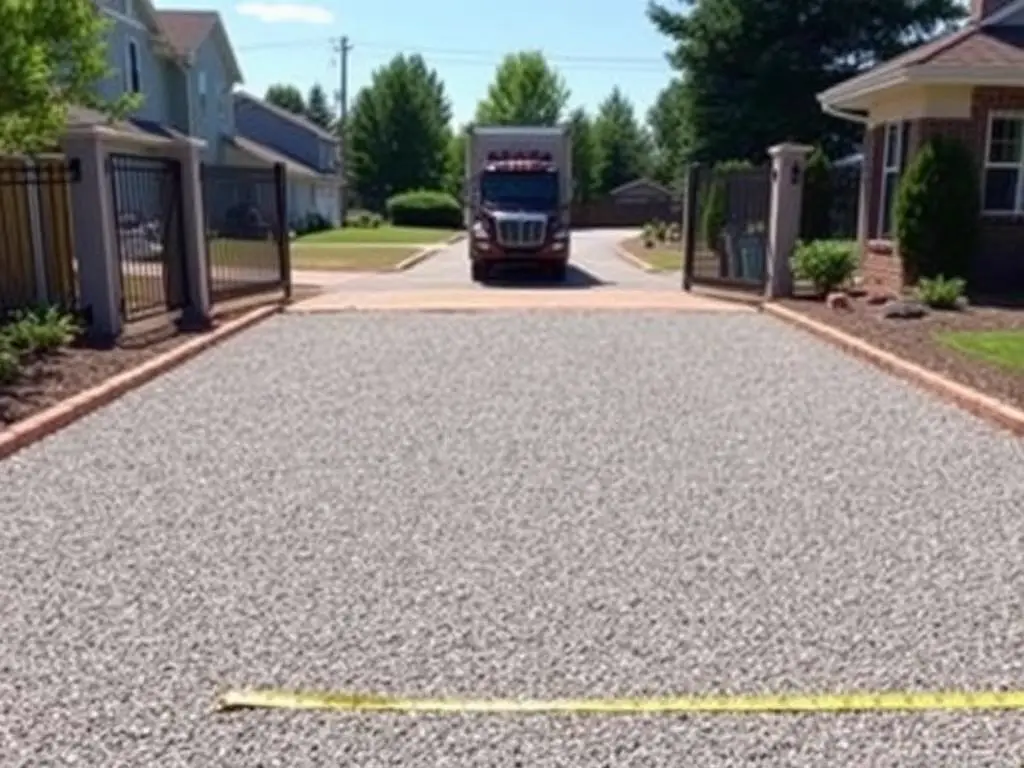
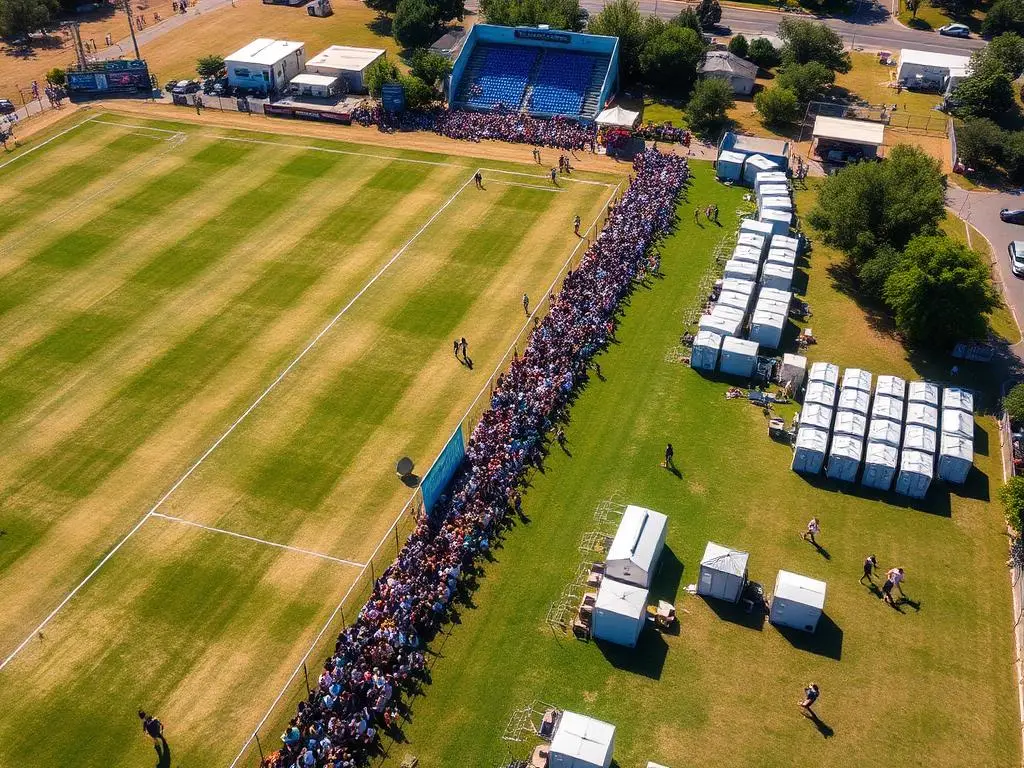
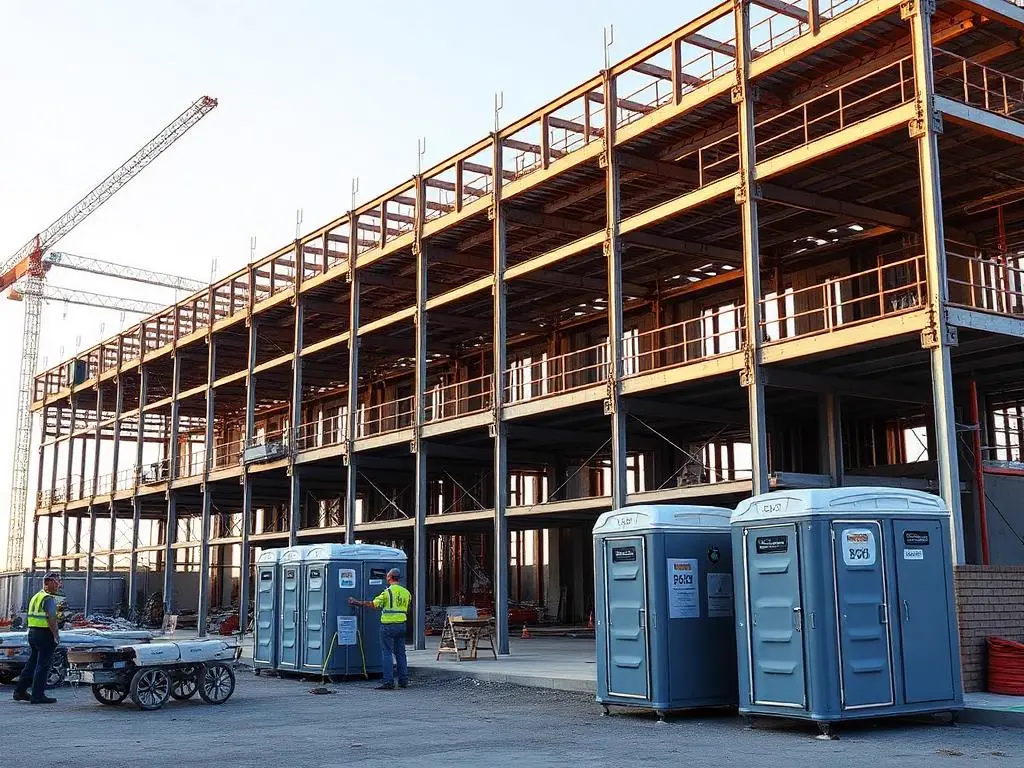
Almost every failed or delayed delivery traces back to one of four things: the truck could not get close enough, the ground was too soft, something was in the way, or a gate was locked. All four are avoidable with a short walk around the property before delivery day.
This checklist applies to homes, acreages and jobsites alike, with notes where they differ.
The pre-delivery checklist
- Choose the placement spot and be able to describe it in one sentence
- Confirm firm, level ground — gravel, packed dirt, asphalt or concrete
- Clear a path wide enough for a hand cart, roughly three feet
- Check overhead for branches, wires, awnings and low eaves
- Unlock gates or provide a code, and confirm who to call on arrival
- Mark sprinkler heads, septic lids and any shallow utilities near the spot
- Move vehicles, trailers and material stacks out of the truck's path
Choosing the right spot
The best placement balances three things: convenient for the people using it, reachable by our service truck, and out of the way of everything else. Within about 25 feet of where the truck can park is the practical service radius.
Avoid low corners that collect water, freshly poured concrete, new sod, and any position where an open door faces the main gathering area or the neighbor's patio.
Ground conditions by season
Spring thaw and heavy rain turn otherwise fine ground into a problem, both for the truck and for keeping the unit level. If your only option is turf during a wet stretch, plan for gravel, plywood or matting under the unit.
Winter brings the opposite issue: frozen ruts, drifting snow and plow windrows. Choose a spot the plow will not bury and keep the approach cleared so service visits actually happen.
Residential-specific preparation
Talk to your neighbor if the unit will be visible from their yard — thirty seconds of courtesy prevents a complaint. Confirm HOA rules if your development has them; most allow temporary rentals during construction or events, but a few require notice.
Mark irrigation and septic components. A hand cart will not damage them, but knowing where they are affects the placement choice.
Jobsite-specific preparation
Designate the spot on the site plan so trades do not stack material there. Keep it out of crane swing paths, delivery lanes and fire access. Tell us about badge requirements, safety orientations or check-in procedures before the first delivery so the driver is not turned away at the gate.
Plan for the placement to change as phases progress, and flag moves a few days ahead so they happen on a scheduled service visit.
What to tell us when you book
A short description of the spot, the surface type, any access restrictions, gate codes, and a contact number for delivery day. That is genuinely all it takes for a routine delivery to be uneventful.
Need this handled instead of researched? Call (605) 699-0189 and we will size and schedule the order for you.