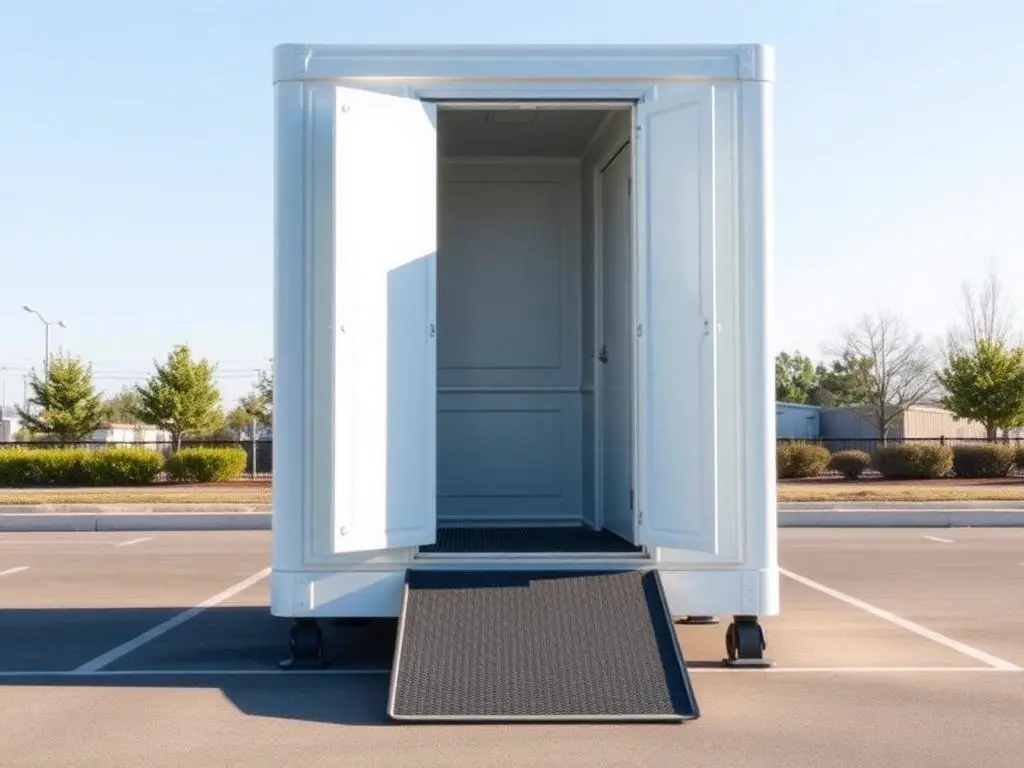
An accessible unit is not simply a bigger portable toilet. The design starts from a wheelchair's turning radius and works outward: a wide door with a low threshold, a floor at ground level so no ramp is needed, grab bars set at usable heights, and an interior clear of obstructions so a user or a caregiver has room to move.
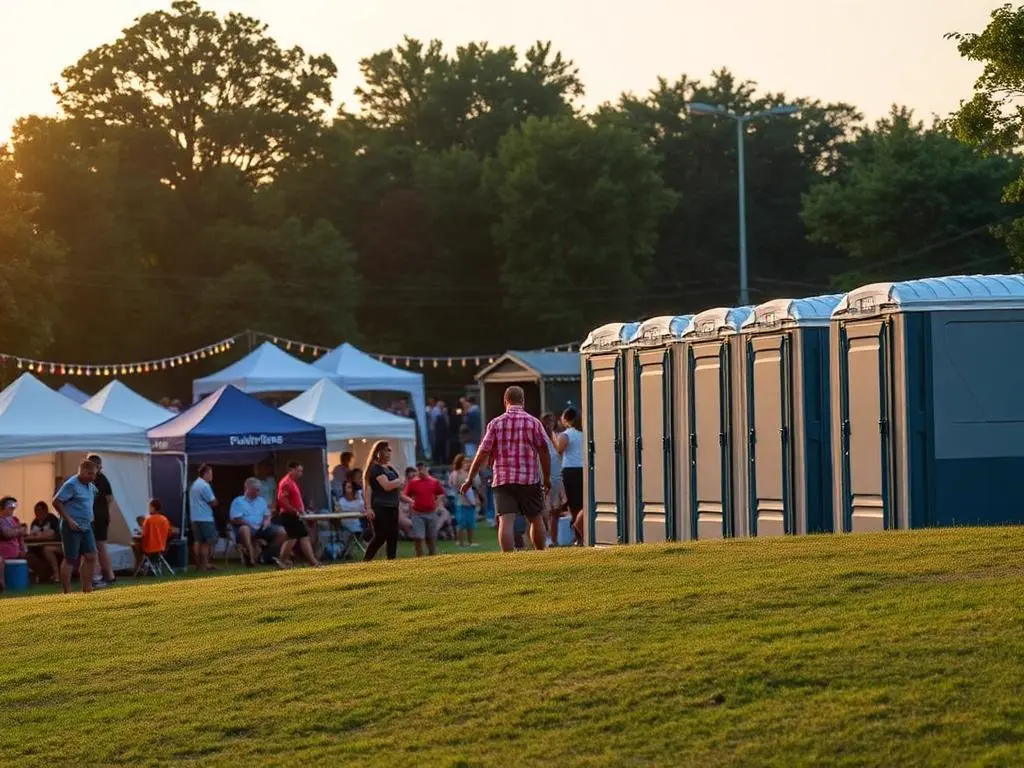
Event organizers across Harrisburg, Sioux Falls and Brandon call us for these because public events are expected to provide them, and because a single accessible unit at the wrong end of a muddy field is functionally the same as having none.
What makes a unit genuinely accessible
The equipment matters, and so does everything around it.
- Ground-level entry with no step and a minimal threshold
- Door opening wide enough for a standard wheelchair
- Interior clear space sufficient for a turning radius
- Grab bars positioned for transfer support
- A latch and door pull operable without tight grasping or twisting
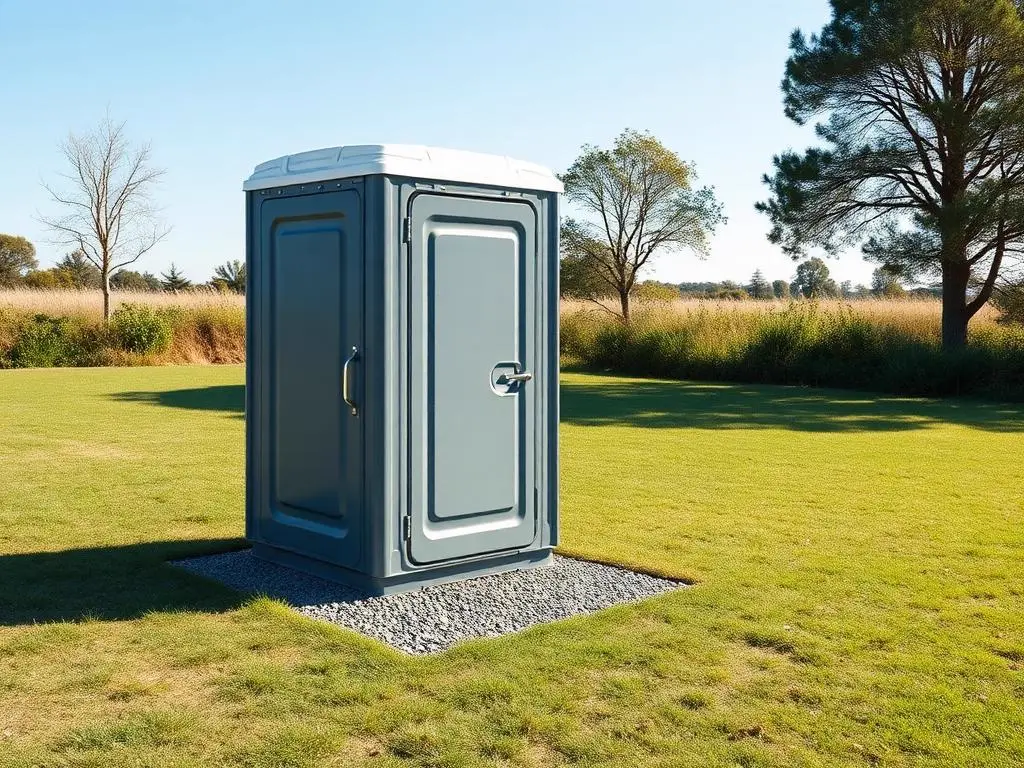
- A firm, level approach — pavement, compacted gravel or matting, not turf
Placement is half the compliance
The most common failure we see is a correct unit set in an incorrect location. If the path to the door crosses soft grass, loose rock or a curb, the unit is not usable regardless of its interior. Accessible units belong on the flattest, firmest ground on the site, on the same route people already travel, near the accessible parking if there is any.
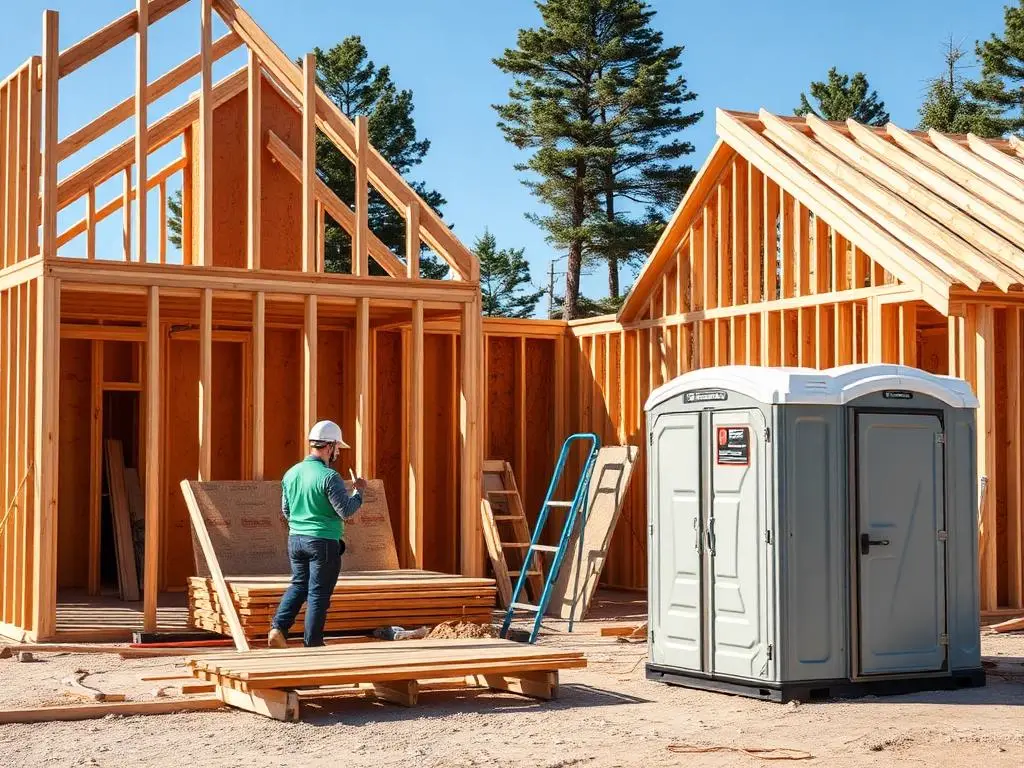
For events on grass, plan matting or choose a paved edge. For jobsites, place near the site trailer or the main entrance where the ground is already compacted.
How many accessible units to include
A widely used planning rule is at least one accessible unit for every twenty standard units, with a minimum of one at any public event regardless of size. For larger footprints, distribute them rather than grouping — one accessible unit at each cluster means nobody has to cross the whole grounds.
Publicly funded construction and government-hosted events typically carry stricter expectations. If your project has specific requirements in the bid documents, send them to us and we will match the order to the language.
Who relies on accessible units
Wheelchair and scooter users are the obvious group, but they are far from the only one. Guests using walkers or canes, people recovering from surgery, older attendees who need grab bars, parents managing a stroller and a small child, and caregivers who need to be inside the unit with the person they assist all depend on the extra space.
That breadth is why accessible units at community events in Tea, Lennox and Canton see steady use rather than sitting empty.
Pricing and availability
Accessible units cost more than standard models. They are larger, heavier, take more room on the truck, and there are fewer of them in any local fleet — which also means they are the first thing to run out on a busy summer Saturday. Booking early is genuinely the difference between having one and not.
Duration, service frequency and distance from Harrisburg affect the quote the same way they do for any unit.