
126 E Willow St, Harrisburg, SD 57032
Call (605) 699-0189
Fallcrest Portable Toilets logo FallcrestPortable Toilets
Home/Resources/Portable Toilet Rental Guide for Construction Sites
Guide

Portable Toilet Rental Guide for Construction Sites

What general contractors and site superintendents in the Sioux Falls area need to know about sizing, placing and servicing jobsite restrooms.

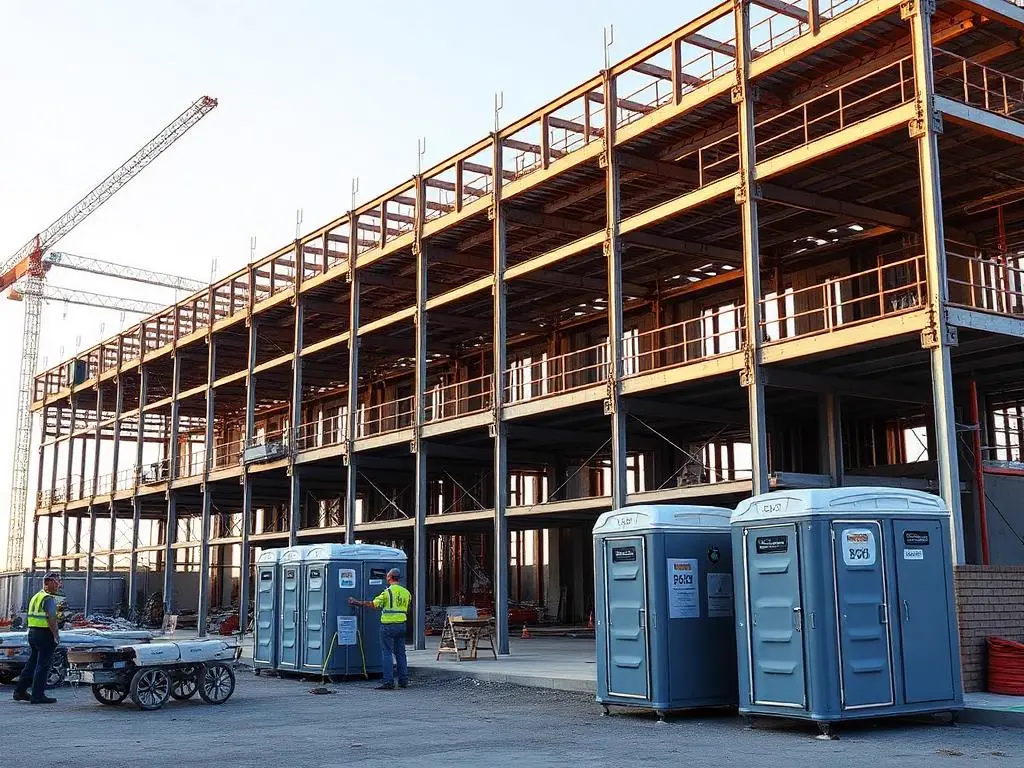
Jobsite sanitation is a scheduling issue disguised as a facilities issue. Every trip off site is fifteen to twenty minutes of paid time, and multiplied across a crew and a season it becomes one of the easiest avoidable costs on a project.

This guide covers what actually matters in the field: how many units, where they go, how often they are serviced, and what changes when the temperature drops below freezing for three months.

How many units for your crew

OSHA's sanitation standard requires toilet facilities scaled to the number of employees. The practical industry norm of one unit per ten workers exceeds the minimum and is what most experienced superintendents specify, because the minimum produces lines at 9:30 a.m.

Workers on siteUnitsRecommended service
1–91Weekly
10–192Weekly, twice weekly in summer
20–393–4Twice weekly
40–595–6Twice weekly, split placements
60+1 per 10 workersTwice weekly plus handwashing

Placement strategy by project phase

Placement should change as the site does. A single position for the life of a build guarantees the unit is in the wrong place for most of it.

  1. SiteworkLot edge on gravel, clear of the spoil pile and equipment paths.
  2. Foundation and framingNear the structure but off the material delivery route.
  3. Mechanical and interiorClosest position to the building entrance the crew actually uses.
  4. Concrete flatworkMove off the pour area before it is formed, not after.
  5. CloseoutReposition toward the street for easy pickup without crossing new landscaping.

Distributing units on large sites

On a long or multi-building site, two units at opposite ends save more time than three grouped at the entrance. Walking distance is the hidden cost. A rough rule: no worker should be more than about a two-minute walk from a facility.

Add a hand washing station near the break area once concrete, drywall or insulation work begins.

Service schedules that hold up

  • Fixed weekly service day so the crew knows what to expect
  • Twice weekly through summer or when crew size exceeds twenty
  • Extra stocking left on site for high-use periods
  • Documented visits so you can answer an owner or inspector
  • A direct number to call for an off-cycle visit when the schedule changes

Winter operations in South Dakota

Cold weather is where poor vendors become obvious. Winter tank treatment, earlier-in-the-day service, and placement clear of plow routes and drift lines are the three practical measures. On your side, keeping the approach shoveled is the single biggest factor in whether the service visit happens on schedule.

Do not place a unit downwind of a building corner where snow loads. It will be buried by February.

Budgeting sanitation into a bid

Quote sanitation at your expected peak crew size, on a monthly basis, for the full duration including closeout. It is far easier to remove a unit than to explain an overage. Include handwashing where the scope calls for it and accessible units on publicly funded work.

Need this handled instead of researched? Call (605) 699-0189 and we will size and schedule the order for you.

Answers

Related Questions

How many portable toilets does OSHA require?

The sanitation standard scales facilities to worker count, commonly applied as one facility for up to 20 workers and additional facilities as the crew grows. Most contractors use one unit per ten workers as the working target because it prevents lines rather than merely meeting a minimum.

Who is responsible for jobsite restrooms, the GC or the subs?

In nearly all cases the general contractor provides site sanitation for all trades. It is simpler, cheaper and avoids the situation where three subs each bring their own unit.

How often should jobsite units be serviced?

Weekly is the baseline for a small crew. Move to twice weekly above roughly twenty workers, in hot weather, or any time the unit is unpleasant before the next scheduled visit.

Can units be moved as the site develops?

Yes, and they should be. Repositioning during a scheduled service visit is routine and keeps the facility where the crew actually is.

Do we need handwashing stations on a construction site?

Where workers handle concrete, sealants, insulation, treated lumber or soil, yes — and crews notice immediately. A single station near the break area covers most crews under twenty.

Keep Reading

Related Guides

How Much Does It Cost to Rent a Portable Toilet in South Dakota?

How Much Does It Cost to Rent a Portable Toilet in South Dakota?

Rental length, unit type, service frequency and delivery distance drive nearly every quote. Here is how each one moves the number so you can budget accurately before you call.

Read the guide →
How Many Portable Toilets Do I Need for My Event?

How Many Portable Toilets Do I Need for My Event?

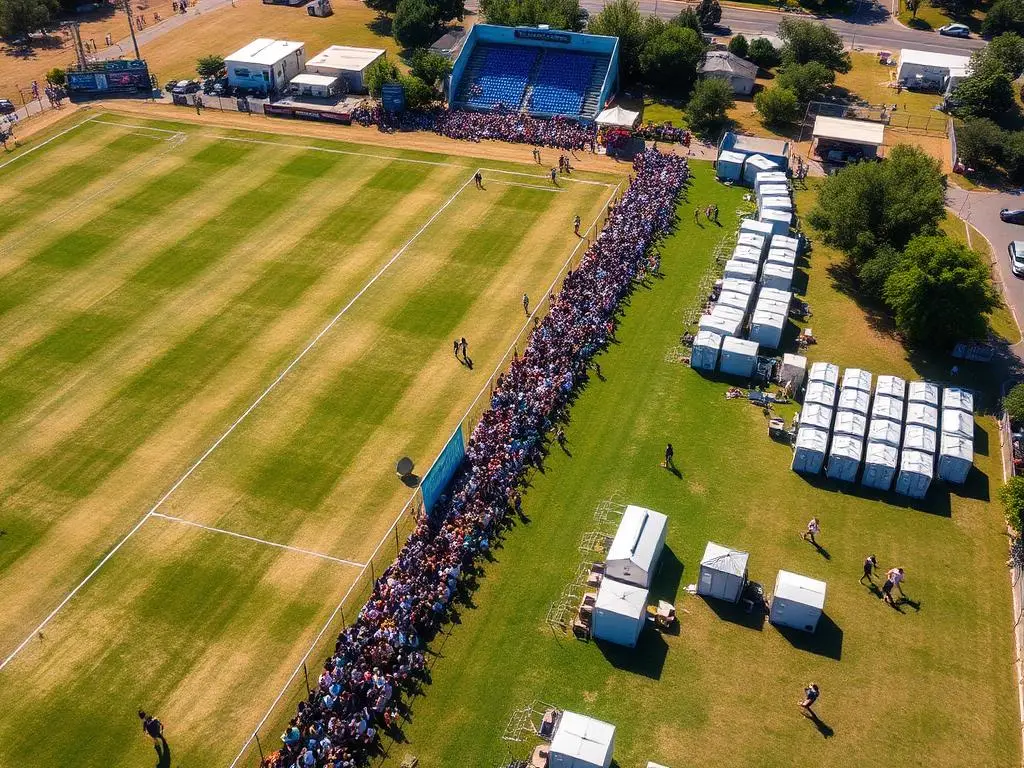
Start with one unit per 50 guests for four hours, then adjust for alcohol, duration, weather and accessibility. This guide shows the full calculation with worked examples.

Read the guide →
How Long Can You Rent a Portable Toilet?

How Long Can You Rent a Portable Toilet?

There is no maximum rental period. This guide explains how weekend, monthly and long-term rentals differ in structure, service and cost per week.

Read the guide →

Get a Quote for Your Project

Delivery, service and pickup handled by a local crew. Call any hour.

Call Now