
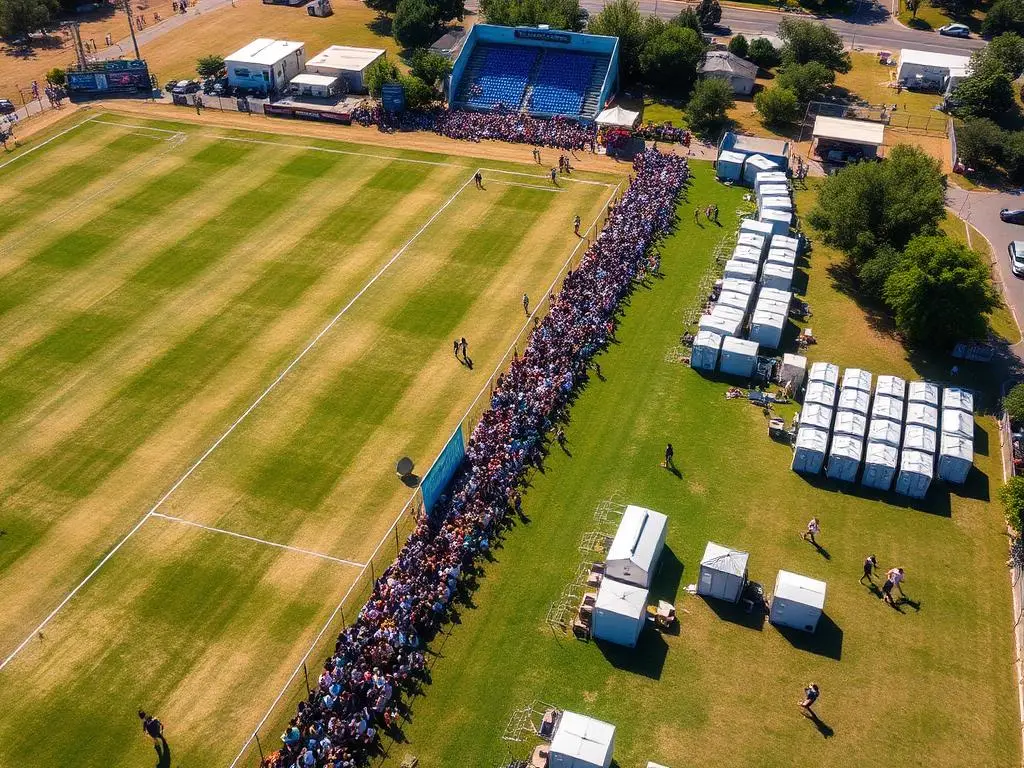
How Many Portable Toilets Do I Need for My Event?
Start with one unit per 50 guests for four hours, then adjust for alcohol, duration, weather and accessibility. This guide shows the full calculation with worked examples.
Read the guide →
A practical breakdown of what actually drives portable toilet rental pricing in the Harrisburg and Sioux Falls area — written so you can budget before you pick up the phone.
Every rental company gets the same first question, and most answer it with a number that turns out to be wrong for the caller's situation. The truth is that the same standard unit can be one of the cheapest line items on a party budget or a meaningful monthly cost on a year-long construction project, depending entirely on how long you keep it and how often it needs service.
This guide explains each variable so you can estimate your own range and recognize a fair quote when you hear one. It does not invent prices, because a published rate that ignores your site and schedule is worth very little.
A standard portable toilet is the least expensive product in the category and covers the overwhelming majority of needs. Upgraded portable restrooms with a flush and interior sink cost more because of the components and the extra service time. ADA accessible units cost more again — they are larger, heavier and scarcer regionally. Hand washing stations are typically inexpensive on their own but add refill time to each visit. Restroom trailers sit in a category of their own, with transport, leveling, power and water requirements that make them several times the cost of a standard unit.
Choosing the right tier is the fastest way to control cost. Renting a trailer when two upgraded units would satisfy your guests is the most common overspend we see.
Delivery and pickup are fixed costs incurred once. Spread across three days, they represent a large share of the invoice. Spread across three months, they nearly disappear and you are essentially paying for the unit and its service visits.
This is why a weekend party rental and a month of construction service can look surprisingly close in total. If you know a project will run six weeks, say so — quoting it as a monthly rental almost always beats stringing together short-term drops.
Weekly service is the standard for construction and long-term rentals. Every visit involves a truck, a driver, pumping equipment, disposal fees and consumables, which is why doubling service frequency meaningfully increases cost.
Under-scheduling is a false economy. A unit that becomes unpleasant on day five of a seven-day cycle costs you crew goodwill and, on an event site, reputation. The right approach is to match frequency to actual usage and adjust after the first few weeks.
Transport is real money: fuel, driver time and route capacity. Harrisburg, Tea, Worthing and Sioux Falls are short runs from our yard. Madison, Beresford, Salem and Pine Ridge are not, and pretending otherwise would just mean padding every other quote to cover it.
Access matters as much as distance. A locked gate, a long hose run, a placement that requires hand-carting the unit 150 feet, or a downtown site where the truck must service before 7 a.m. all add time to every visit for the life of the rental.
With those six items, we can quote the exact configuration you need instead of a generic figure. Call (605) 699-0189 and it usually takes under five minutes.
Overspending usually looks like renting a trailer for a casual event, ordering twice-weekly service for a five-person crew, or booking more units than the peak hour requires. Underspending looks like one unit for 120 guests, skipping the handwashing station at a food event, or scheduling no service on a three-day festival.
The middle ground is not hard to find, but it does require a five-minute conversation about your actual situation rather than a price list.
Need this handled instead of researched? Call (605) 699-0189 and we will size and schedule the order for you.
Delivery and pickup are part of the quote we give you rather than a surprise addition. Distance and access are factored in up front, which is why we ask for the address before quoting.
The rental itself is not priced by day of week, but summer weekends are peak demand and inventory commits early. Booking late during peak season limits your options more than it raises the base price.
Normal use is covered. Damage beyond normal wear, or a unit that has been used far beyond what the service schedule was built for, may be billed — and we discuss it with you before invoicing.
No. Waste must be pumped and disposed of properly, which requires the truck and licensed disposal. What you can do to reduce cost is choose the right unit tier and a realistic service frequency.
Multi-month rentals are set up on a recurring billing cycle for convenience, and you can end them when the project ends. We do not lock customers into terms that outlast their need.
Start with one unit per 50 guests for four hours, then adjust for alcohol, duration, weather and accessibility. This guide shows the full calculation with worked examples.
Read the guide →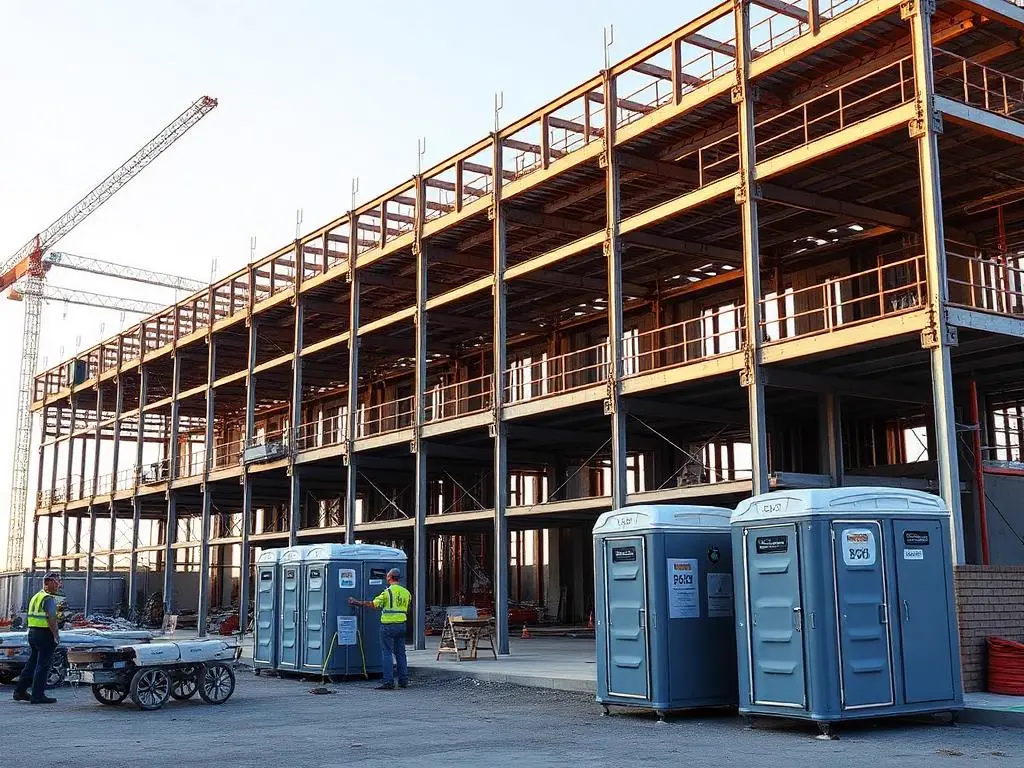
A contractor-focused guide to jobsite sanitation: how many units your crew needs, where to place them, how service schedules should work, and how to keep them usable in winter.
Read the guide →
There is no maximum rental period. This guide explains how weekend, monthly and long-term rentals differ in structure, service and cost per week.
Read the guide →Delivery, service and pickup handled by a local crew. Call any hour.