Hand sanitizer inside a restroom covers the basics. A real sink with running water covers the requirement. Anywhere food is prepared or served, where crews handle concrete, adhesives or soil, or where children are part of the crowd, a proper hand washing station is the difference between adequate and appropriate.
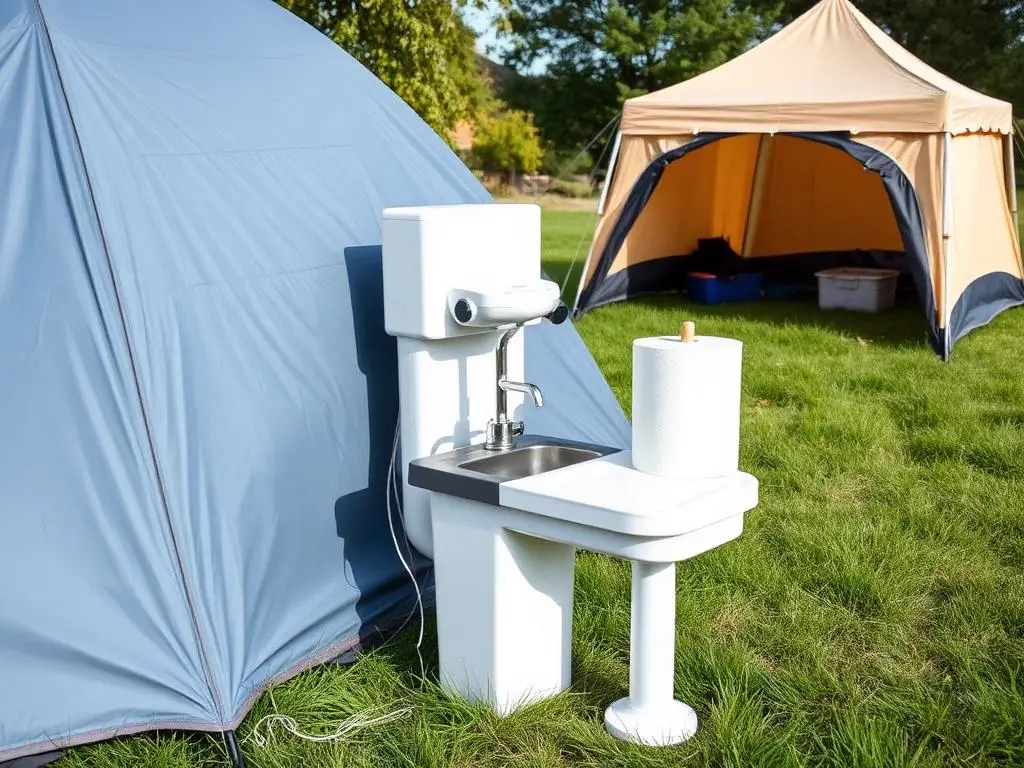
Our stations are freestanding and need no plumbing or power. They carry their own fresh water, drain to a contained gray water tank, and operate by foot pump so nobody touches a handle with dirty hands. We deliver them stocked with soap and paper towels and refill both at every service visit.
Where stations are commonly required or expected
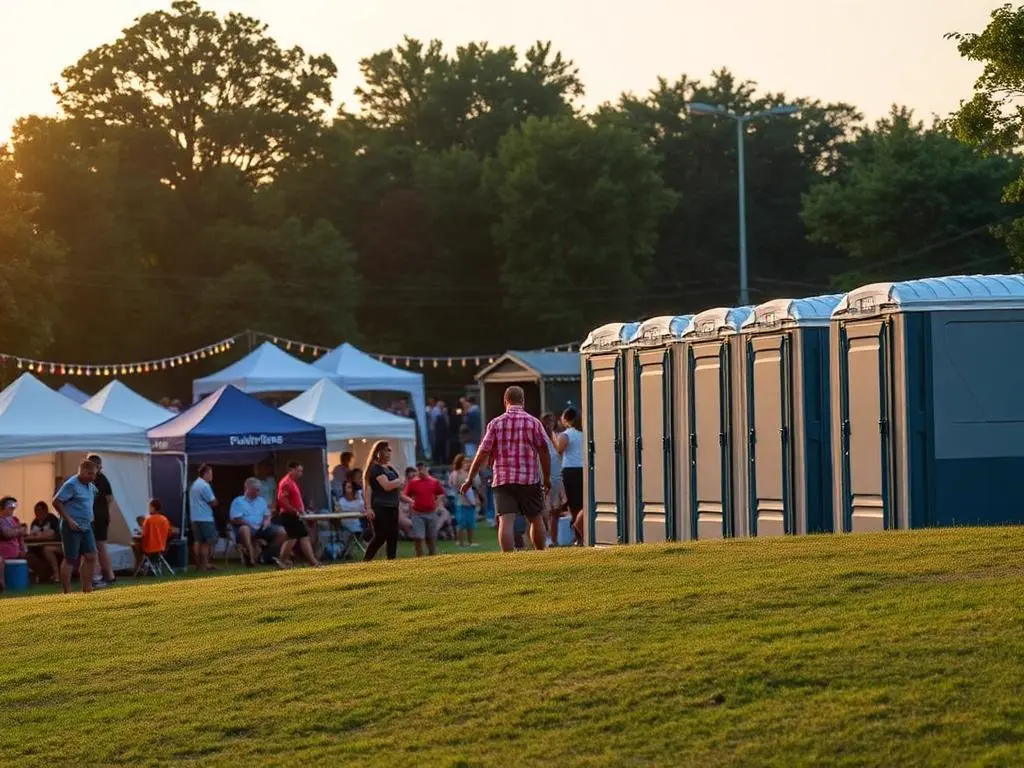
Food vendors at festivals and farmers markets across the Sioux Falls area are routinely asked about handwashing access. Concessions at ball fields, church dinners, and any temporary food service typically fall under the same expectation.
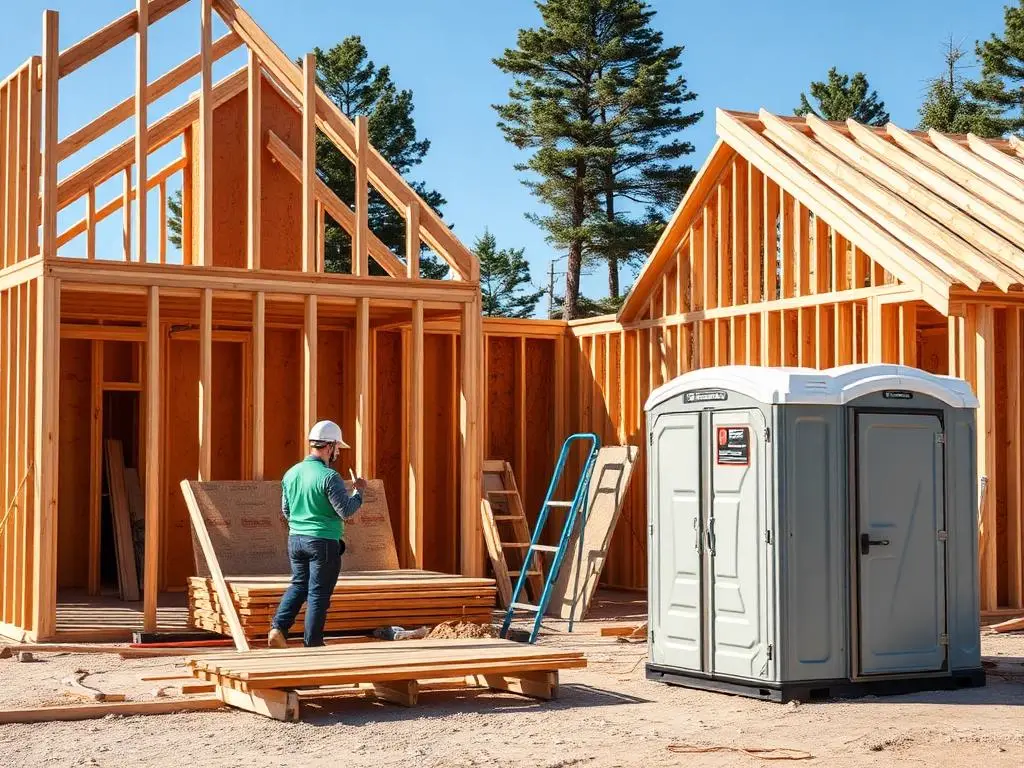
On the construction side, crews working with concrete, mortar, sealants, insulation, treated lumber or soil benefit before every break. Sites with a lunch trailer or a break area should treat a station as standard equipment rather than an add-on.
What a station includes
Each unit arrives full, stocked and ready to use.
- Fresh water reservoir sized for a full day of typical use
- Foot-pump operated faucet — no hand contact with controls
- Liquid soap dispenser, filled at delivery
- Paper towel dispenser with a starting supply and refills left on site
- Contained gray water tank so nothing discharges onto the ground
- Multi-bay configurations available for high-traffic vendor rows
Placement for actual use
A station nobody walks past is a station nobody uses. Put them directly adjacent to the food service line, between the restroom bank and the eating area, or at the entrance to the break area on a jobsite. Where children are present, choose a spot in sight of adults.
For events, one station per two to four restroom units is a workable ratio, increasing near the food vendors. For jobsites, one station near the primary break area usually suffices for a crew under twenty.
Service and refills
Service visits refill fresh water, empty the gray water tank, restock soap and towels and check the pump. Heavy-use events may need a mid-day refill; we can leave a spare water supply with your team or schedule an attendant stop.
In cold weather, water in an unheated station will freeze. For winter jobsites we discuss sheltered placement or recommend an alternative such as sanitizer stations with a service-visit refill schedule.
Cost factors
Stations are priced by unit count, rental duration, service frequency and delivery distance from Harrisburg. Multi-bay units cost more than single-bay but move a crowd faster, which is usually worth it along a busy vendor row.
Ordering stations at the same time as your restrooms is cheaper than a separate trip, so include them in the initial conversation.